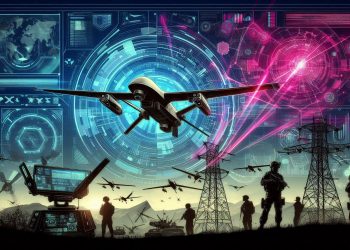

This paper explores how artificial intelligence is transforming the nature of conflict in South Asia, shifting it from proxy-based violence to hybrid warfare driven by technology. It contends that the growing use of artificial intelligence is gradually but profoundly changing the character of conflict within India’s security landscape. What was once primarily shaped by geography and traditional asymmetry is now influenced by data, speed, and the spread of technology. Recent trends show that accessible tools like unmanned systems, encrypted platforms, and synthetic media are broadening options for both state and non-state actors. This impacts not only operational domains but also attribution, escalation management, and public perception. India’s progress has been significant in certain areas, but it remains inconsistent across institutions. The main challenge is to ensure that doctrinal, technological, and societal measures evolve in harmony with these emerging threats.
Keywords: Artificial Intelligence, Hybrid Warfare, Cognitive Security, Drone Warfare, Counter-Terrorism