


Abstract
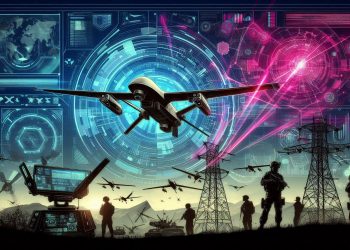
Modern warfare has broken multiple myths that has been existing since the last century. Smaller and weaker nations have been able to bring strong militaries of larger states to standstill, make global economies bleed and force powerful states to look for off-ramps. Warfare is now no more a bean count of big platforms and soldiers but a wholesome of technology, innovation and disruption backed up by intangibles like national resilience and will to fight. War is no longer what it used to be. Battles once fought with massive armies and roaring tanks are now shaped by rockets and missiles that strike in minutes. From Ukraine to the Middle East, modern conflicts have proven that the future of warfare lies in long-range precision attacks rather than face-to-face combat. Recognising this shift, India has begun developing its Integrated Rocket Force (IRF), a move that goes beyond simple military reform. At the dawn of the21st century, Theatre based Artillery divisions and Nuclear equipped Strategic Forces Command (SFC) were raised in the Indian Armed forces which provides a good launchpad for maturing the integrated rocket force envisaged now. This article attempts to analyse Drone-Rocket-Missile force of major nations globally, contextualise it as per Indian requirements and recommends suggested model for the Indian Rocket Force (IRF).
Keywords: Integrated Rocket Force, Artillery Divisions, 21st Century Warfare, Non-Contact-Kinetic Warfare, Drone-Rocket-Missile Force













Awesome