
Abstract
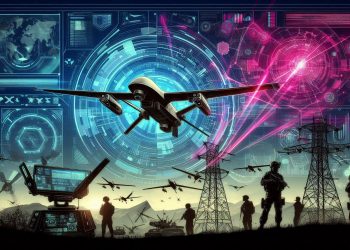
The development of MUM-T systems globally is rapidly progressing and is a major area of investment and innovation in the defence sector. It is also one of the focus areas for the Indian Army’s efforts at transformation. While aerial teaming efforts attract more attention due to obvious technological sophistication, however, the question is that: are land based systems more suitable for MUM-T development? The United States of America is the global leader in implementation of MUM-T and a host of projects are under progress in other countries too including India. Niche technological advances in fields like Artificial Intelligence, drones, secure cyber and communication protocols etc. are further influencing its growth trajectory. But are these sophistications leading to increased complexity at the expense of platform effectiveness and operational efficiency? What is its effect on crew cognitive workload and situation awareness? How do Indian efforts fare on comparison with global ventures? What are the challenges in the trajectory of MUM-T development and how can Human Centered Design considerations assist in resolving them? Attempt has been made to find answers to these questions and more.
Keywords: Manned Unmanned Teaming, MUM-T, Defence Technology, Human Centered Design, Land Warfare